
Cast Iron Reflections
-
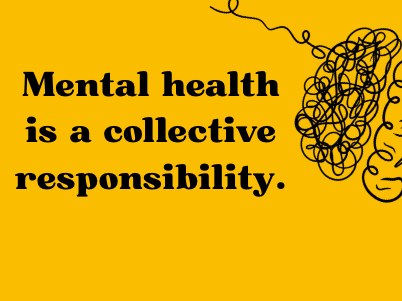
Mental Health is a Collective Responsibility
October 10 was World Mental Health Day and our team spent time reflecting on the collective responsibility mental health truly is:
Mental health is a collective responsibility.
Mental health is about the conditions we live, work, and care for one another in, not just individual wellness.
Too often, conversations about mental health focus on what individuals can do to feel better: practice mindfulness, set boundaries, take breaks, or ask for help. These things can be meaningful, but they cannot replace access to healthcare, stable housing, financial security, supportive communities, and environments where people are treated with dignity.
We can’t pretend mental health is an individual experience when we operate within systems of harm.
For disabled people, queer and trans folks, people of the global majority, and others navigating systemic barriers, mental health is deeply connected to whether our needs are met, if our identities are respected, and if our communities have the resources to thrive.
Building healthier communities and workplaces requires us to move beyond awareness and toward meaningful change.
That means:
Creating workplaces where people can request accommodations without fear of retaliation or judgment.
Recognizing that accessibility includes emotional, cognitive, and psychological access.
Building organizational cultures that prioritize trust, flexibility, and care over productivity at all costs.
Understanding that mental health challenges are not personal failures, and that people deserve support without having to prove their worth.
Investing in community care and addressing the systemic conditions that contribute to distress, isolation, and burnout.
Mental health is not just an individual responsibility. It is a collective one.
We invite organizations, leaders, and communities to ask themselves: Are we creating environments where people can actually be well? Are we listening when people tell us what they need? And are we willing to change the systems that are causing harm?
Awareness without action will never be enough.
Everyone deserves dignity, access, connection, and care. Every day.
-
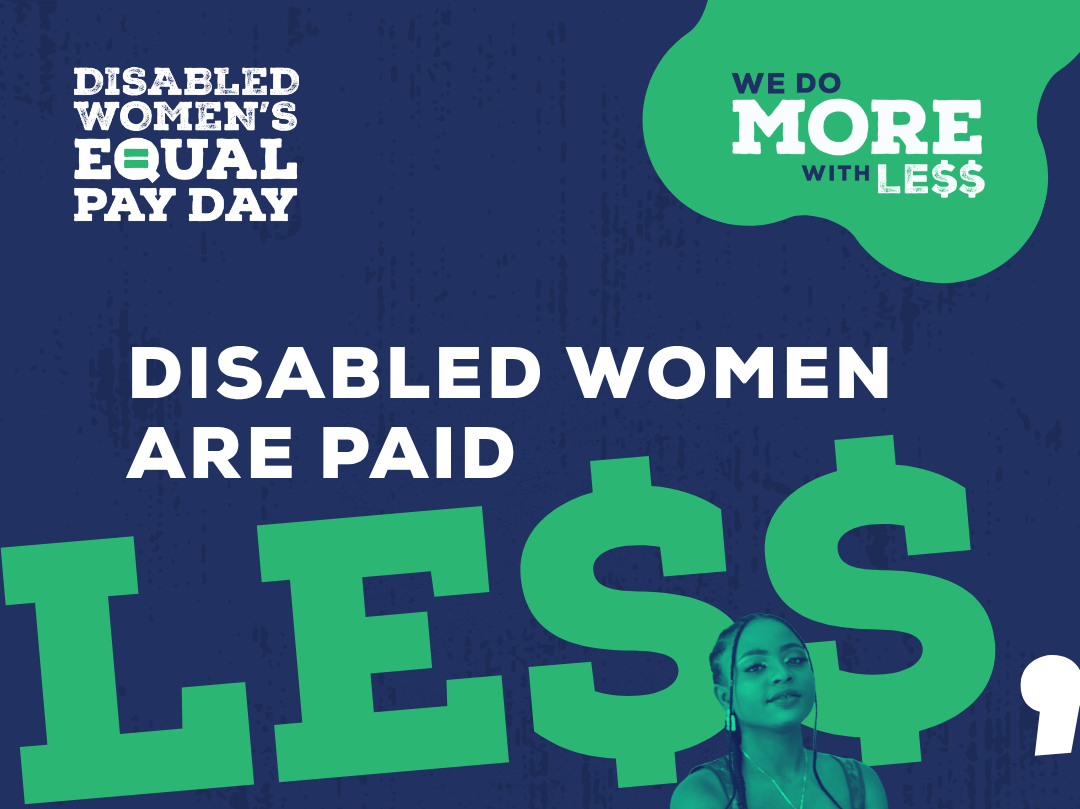
Disabled Women's Equal Pay Day
These last two years have been tough. Disabled women are paid less, being laid off en masse, and losing accommodations and benefits we need to work, survive, and thrive. Disabled women lose $24,000 a year on average to the wage gap (as compared to nondisabled men). Tell us, what would you do with an extra $24,000 a year if we closed the gap? We deserve better. Abolish subminimum wages for disabled workers, incarcerated workers, restaurant workers – and everyone! Demand Living Wage for All: livingwageforall.org/call
Disabled women are paid less, being laid off en masse, and losing accommodations and benefits we need to work, survive, and thrive. Black, disabled, and women workers are losing jobs at rates that are reshaping our entire nation. Disabled women pay more to live, parent, and provide care for our families, communities, and ourselves.
Too many disabled women are forced to live in poverty by asset limits and work requirements that restrict access to lifesaving programs like Medicaid, home health care, and SNAP.
Some words from our Co-Director, Mo Snyder: “As a disabled woman who has spent nearly 14 years working in disability services, I know that expertise and dedication do not guarantee economic security. I have faced the same uncertainty about income and healthcare that I’ve spent years helping others navigate. We keep asking disabled women to do more with less, then celebrating us for surviving it. We deserve fair pay, accessible workplaces, reliable healthcare, and room to rest and plan for our futures. That’s what drives the work we’re building at Cast Iron.”
-
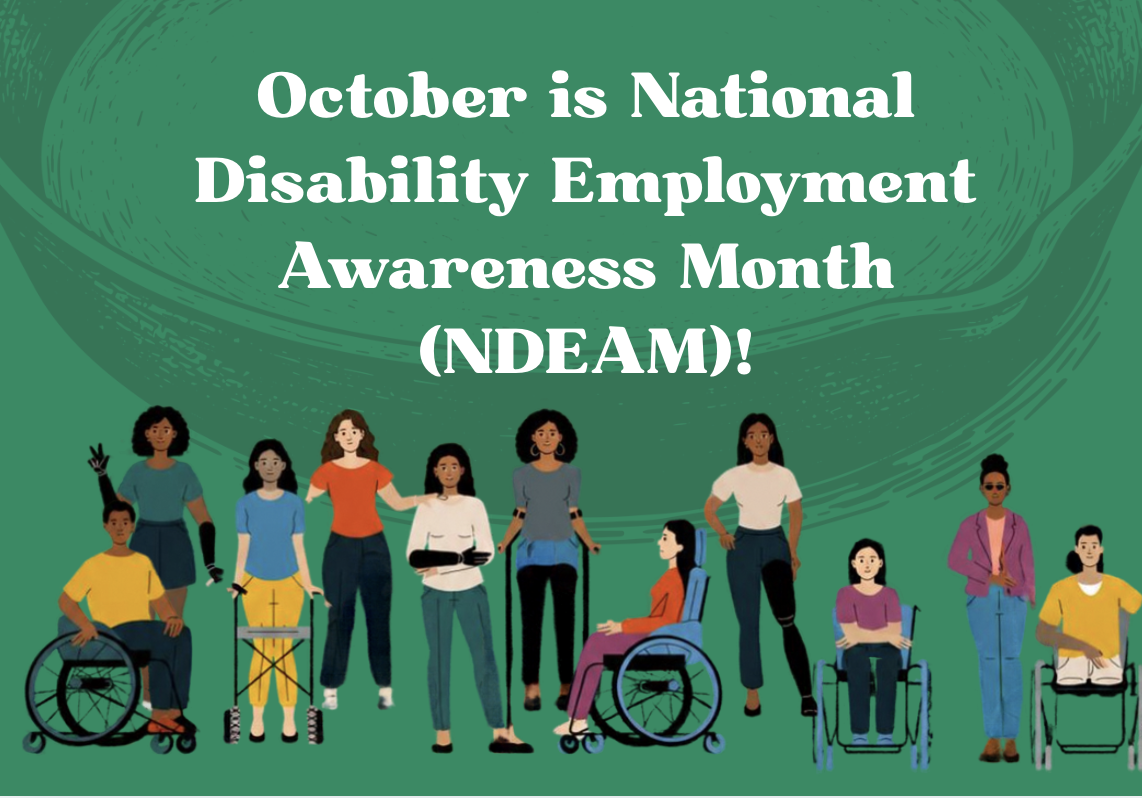
National Disability Employment Awareness Month (NDEAM) 2026
October is National Disability Employment Awareness Month (NDEAM)!
At Cast Iron Consulting, we know disabled people bring expertise, creativity, leadership, and talent to the workplace. Building workplaces where we can thrive takes action:
Accessible hiring practices
Fair pay and opportunities to advance
Accommodations without shame or unnecessary hurdles
Disabled people help shape the policies that affect us
Respect for our expertise and autonomy
This month, we’re asking employers to look at what happens after the awareness post goes up. Can disabled employees get the support they need? Are they heard, valued, and given room to grow?
With a fully disabled team, Cast Iron Consulting helps employers navigate disability in the workplace, providing services such as:
HR & Internal Operations Best Practices
Staff Training
Disability Inclusion & Workplace Accessibility
Internal Policy Audits & Reviews
Celebrate disabled talent. Pay disabled people. Build access into everyday practice.
And keep doing it after October ends.
-
SONG Gaycation 2026
2 Cast Iron collaborators attended Southerners on New Ground’s 2026 Gaycation gathering in the Blue Ridge Mountains of Georgia. It was an honor and a privilege to get to be amongst queer fam for several days on a camp ground, where we dove deep into our own definitions of care, community, celebration, and commitment.
Care: Gaycation was created by and for SONG members. It was a collective effort that reminded us that it takes all of us to weave the web of care that makes safe gatherings possible. We helped with daily required COVID-19 testing, set up/clean up, and shuttling folks via golf carts to ensure the gathering was accessible to those who joined.
Community: Being with queer community for a whole long weekend was like a breath of fresh air. We attended workshops about solidarity squads and emergency preparedness, salve-making, community land projects, swim safety, transformative justice, and conflict navigation with support from SONG’s Firekeepers. We lit candles for Rosh Hashanah and welcomed the Jewish new year. Learning how to build intentional community is how we usher in a wave of collective liberation.Celebration: There were plenty of opportunities for joy and celebration. We sang freedom songs, joined a “dive-in” movie in the swimming pool, tie-dyed, wore costumes for a Summer Halloween themed dance party, and witnessed the magic of a Radio Outlaw performance. Celebration allows us to nurture an abundance mindset in a world that wants to make queer and trans people scarce.
Commitment: We ended our time at Gaycation with reflection and commitment to our shared work. We choose to stay committed to care, community, and celebration. Former SONG Director Paulina Helm-Hernández once asked, “Are you willing to be transformed in the service of the work?” Team Cast Iron renews our commitment to that transformation.
-
Disability Pride Month 2026
Disabled Joy: Disabled joy is powerful. It can be rest, beauty, laughter, nature, friendship, or simply experiencing a moment without needing to explain or justify ourselves. Our lives are more than the barriers we encounter.
Cross-Movement Solidarity: Disability justice belongs in every movement. Being in accessible cross-movement spaces reminded us what becomes possible when movements intentionally make room for disability, access, and the full complexity of our whole selves.
Community Connection: Disability Pride is rooted in community; in finding one another, celebrating our shared history, and creating spaces where disabled people feel recognized, supported, and valued.
Creative Accessibility: Accessibility is a creative practice, and sometimes it requires a little Southern scrappiness. When a step was too high, we slid a book under Mo’s foot to give the extra height needed. We figured it out together, improvised, and celebrated the little victories.
-
ADA Anniversary 2026
36 years of the ADA.
The Americans with Disabilities Act changed what became possible.
Its work isn't finished & neither is ours.
The ADA established civil rights protections. Disabled people have spent the last 36 years continuing to organize, advocate, and push institutions to turn those rights into everyday reality.Accessibility MUST go beyond just checking a box. Access is about recognizing that disabled people deserve to participate fully and have the expertise to shape the systems they use.
Too often, organizations ask, "Are we compliant?" A better question is, "Who are we leaving out, and what would it take to change that?"
Accessibility isn't something you do FOR disabled people. It's something you build WITH disabled people through partnership, trust, and shared decision-making.
When accessibility is treated as an afterthought, folks get excluded.
When accessibility is built into policies, hiring, communications, technology, and culture, everyone benefits. But disabled people should never have to justify accessibility by proving it's good for everyone else.The most effective accessibility work is proactive. It starts with listening, investing in disabled leadership, and being willing to rethink systems that were never designed for everyone.
The ADA gave us a legal foundation.
Disability justice asks us to imagine something bigger.We imagine communities and workplaces where access isn't an accommodation, it's an expectation.
That's the work we're committed to every day.